Artists-In-Residence


The self-directed residency programme offers artists, writers, designers, curators, scholars, and other creative individuals the time, space, and inspiration to retreat, reflect, explore, and experiment with their own practice.

Residency
How To Apply

Previous Artists
Evonne Opoku 

Muzeyi Yelyen
Katesi Kalange
Rebecca De Marchi
Johanna Stella Rogalla
Nicolas Kyrillou
Claude-Yannick Driatehe Guei (Pitcho)
Tania Arancia Marie

Residency 


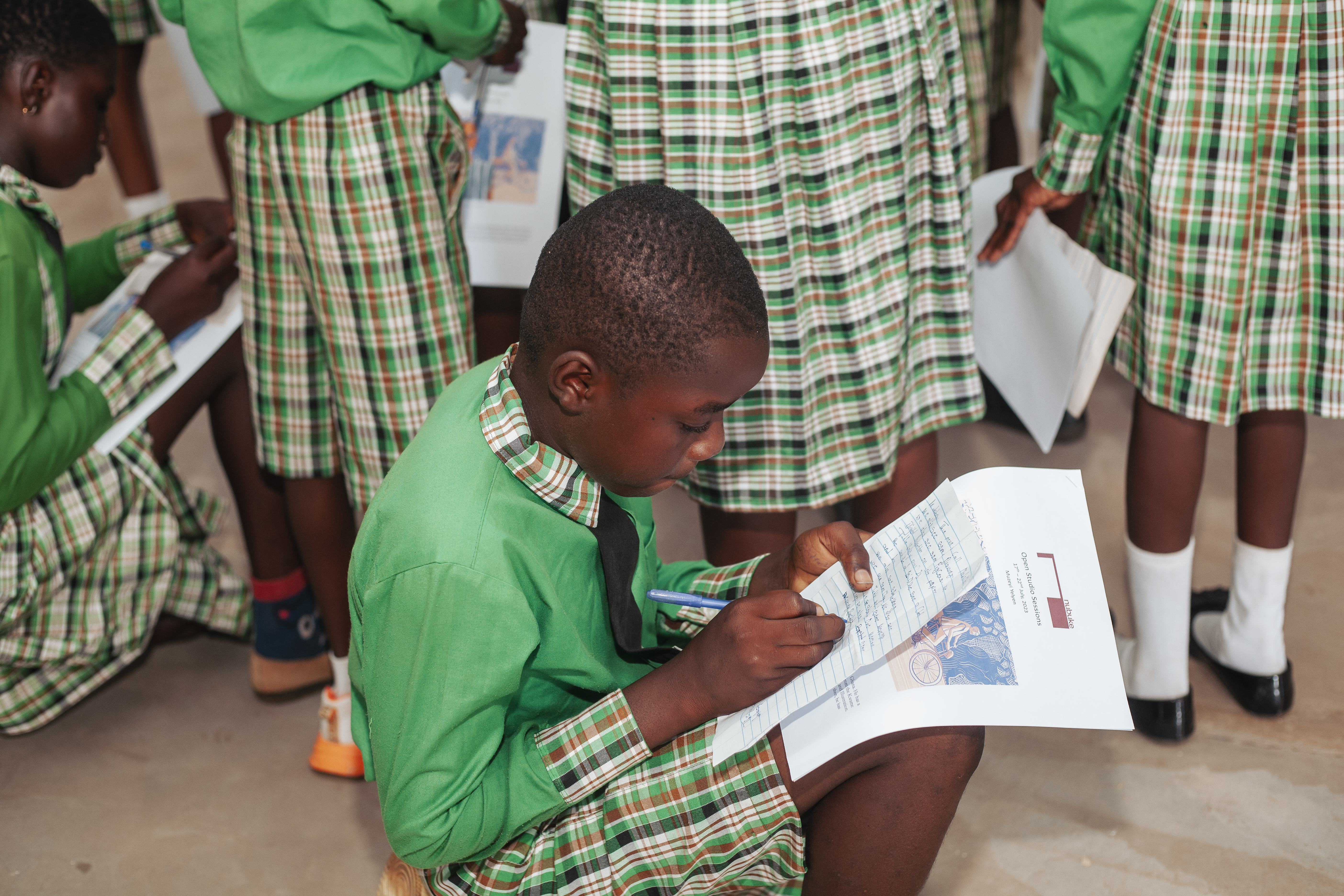
The Nubuke Centre for Textiles and Clay artist-in-residency started in 2022. More than than 15 artists and researchers have travelled  to Loho in the Upper West region of Ghana for the programme.  The programme is open to artists, writers, musicians, filmmakers, architects to curators and researchers. 

How To Apply
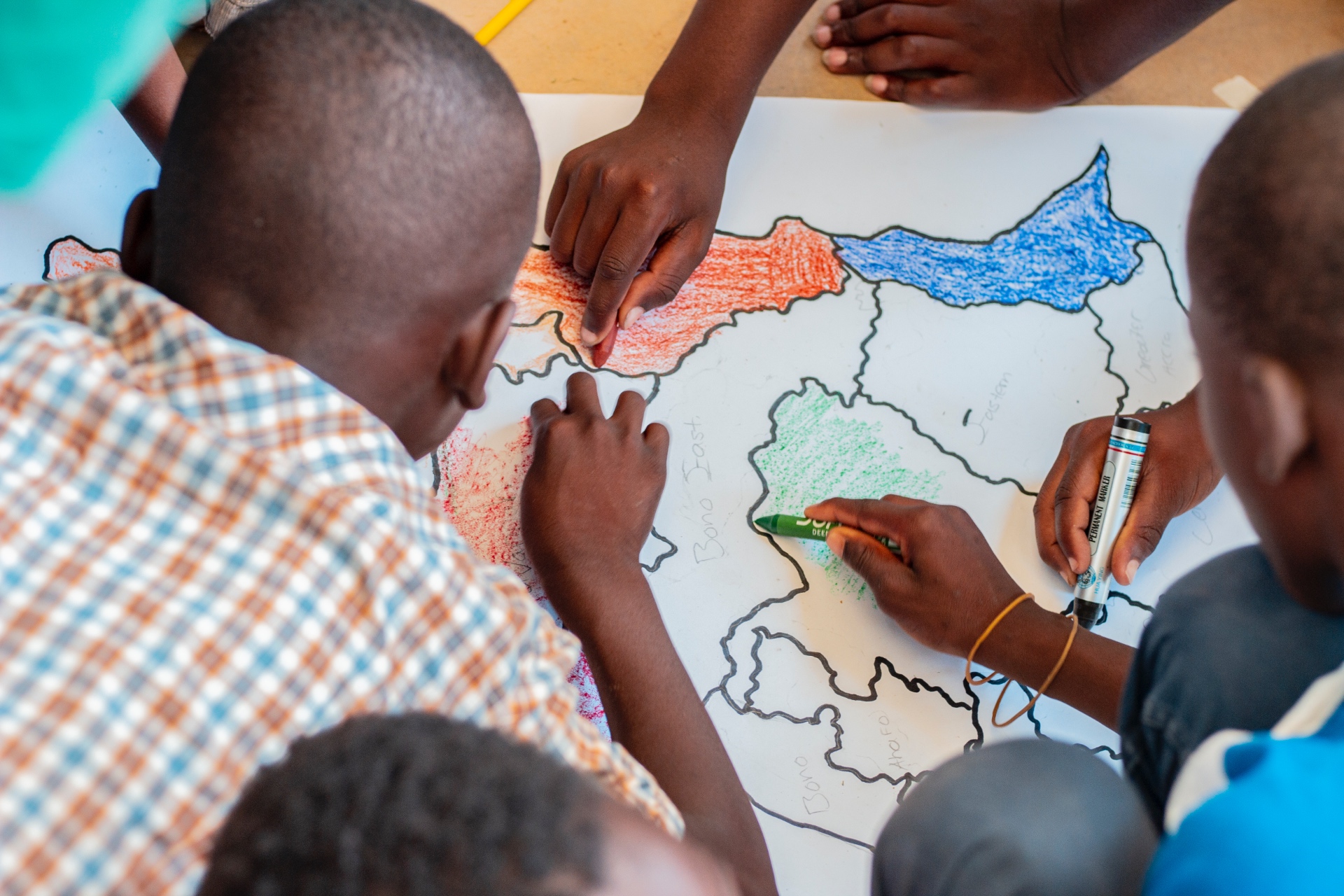
The residency programme is open to self-funded or potential participants who have identified funding sources. To participate in this residency programme, send your proposal with a project description (textural or pictorial) to wadm.nubukefoundation@gmail.com

Facilities by Nubuke Foundation:  
The facilities provided by the Nubuke Foundation include accommodation and internet service. 

The resident is expected to produce work-in-progress, public projects/exhibitions, publications, research and research dissemination, art talks/public/panel discussions, community projects/engagements, social media conversations and the like as part of their residency.

Evonne Opoku


Evonne Opoku is a lawyer and creative entrepreneur with a passion for art, culture and community and our Nubuke Wa August Artist Resident.

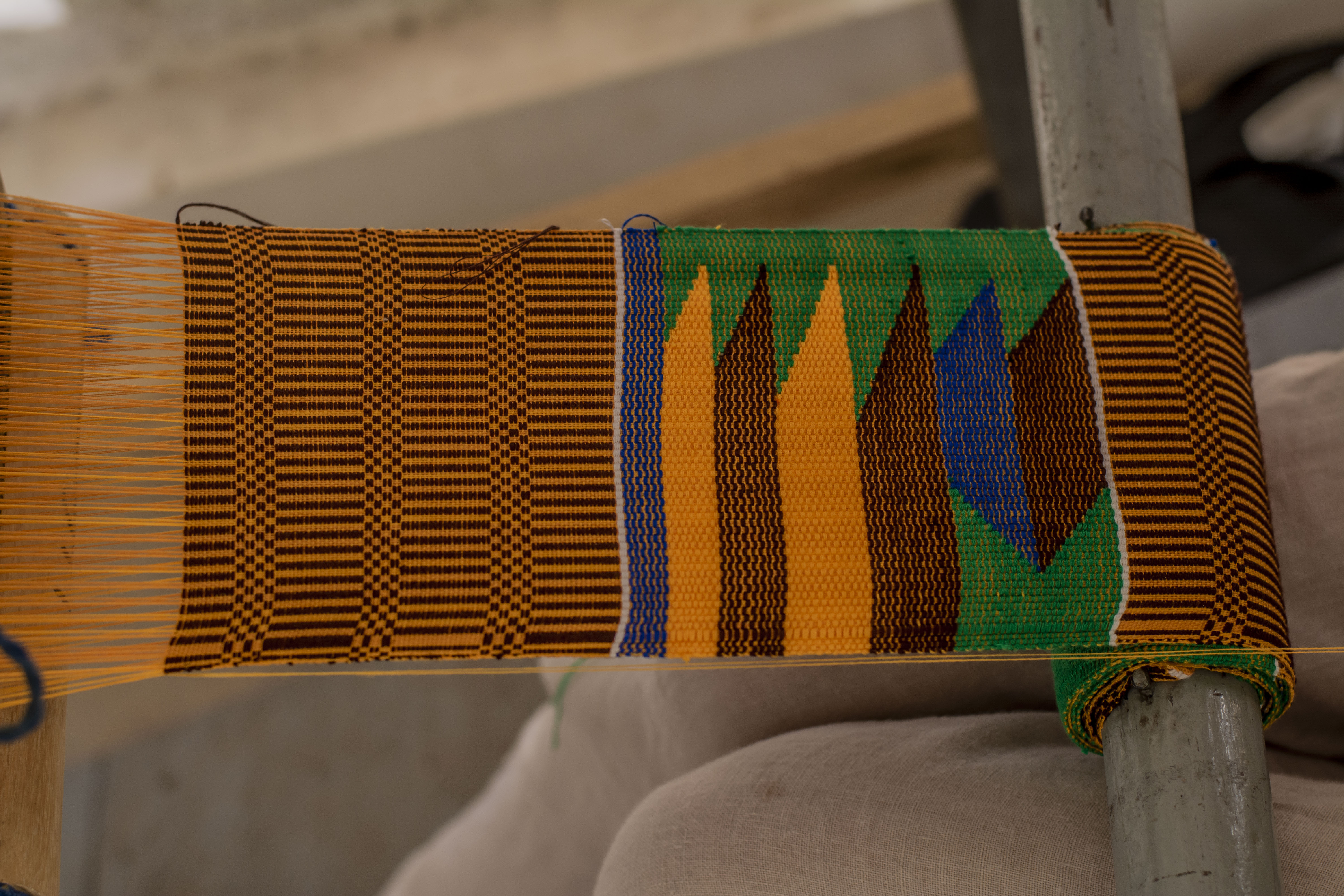
Graduated from Temple University and the University of Maryland School of Law in the USA. Her work as a lawyer focuses on protecting the rights of people with disabilities, artists, and small business owners. Her familial roots in Bonwire, the home of Ashanti kente cloth, allowed Evonne to grow up surrounded by Ghanaian craftsmanship.

In 2018, Evonne started Afrothreads with her sister, which is a company dedicated to preserving and promoting authentic African fabrics. The sisters design, sew and craft unique products that highlight the beauty, versatility, and cultural significance of different materials.

In her work, Evonne aims to combine her legal expertise and creative background to bring awareness not only to traditional African textiles, but also to the ways art can advance economic justice for Black creators worldwide.

Over the past 10 months, she has been collaborating with local artisans in Accra and taking classes at the Ghana School of Law. She is excited to return to Wa after attending the first annual Woori Festival in 2022, and plans to work with smock fabric weavers, students from the School of the Deaf, and other artists to design products that can be appreciated worldwide.


Muzeyi Yelyen


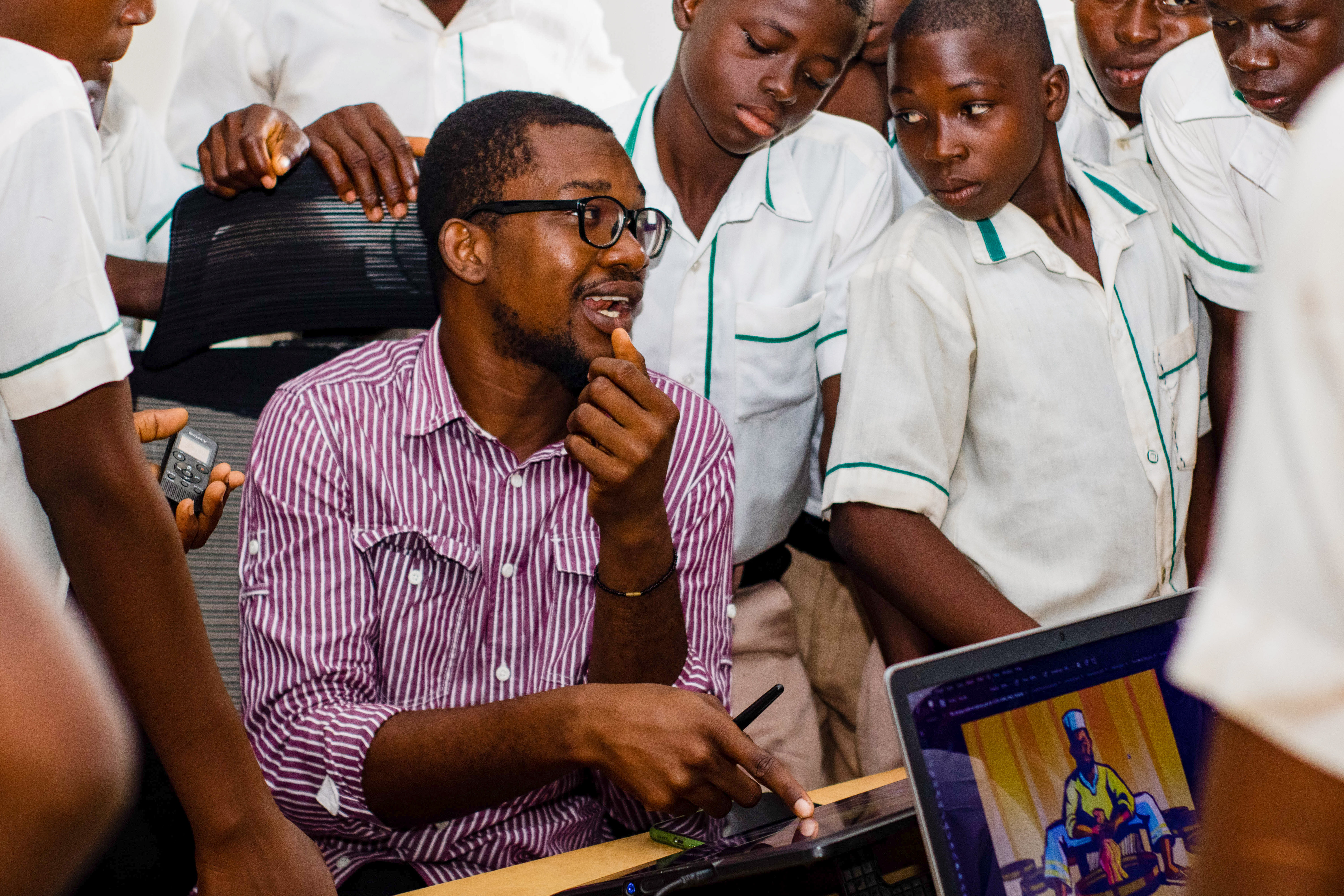
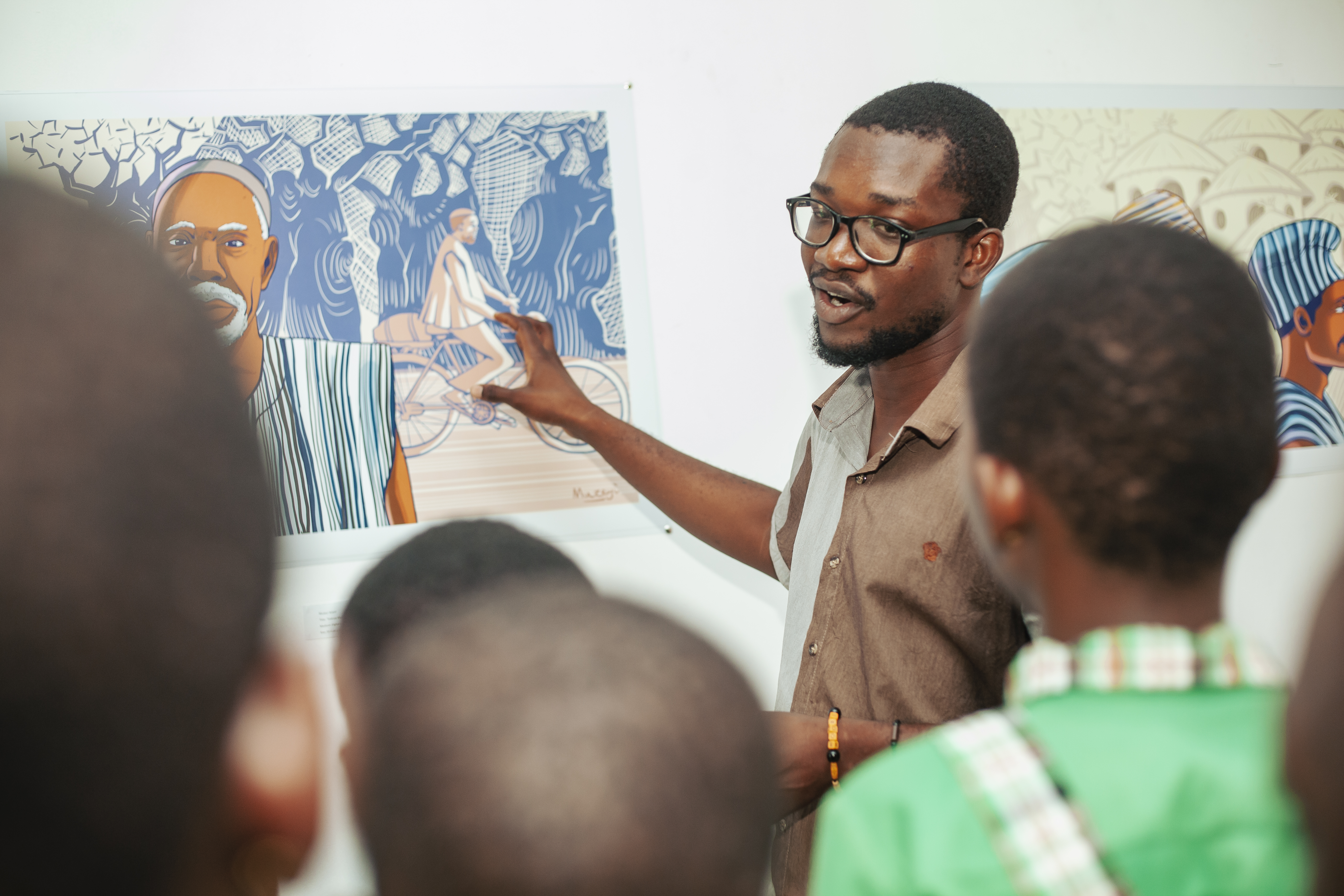
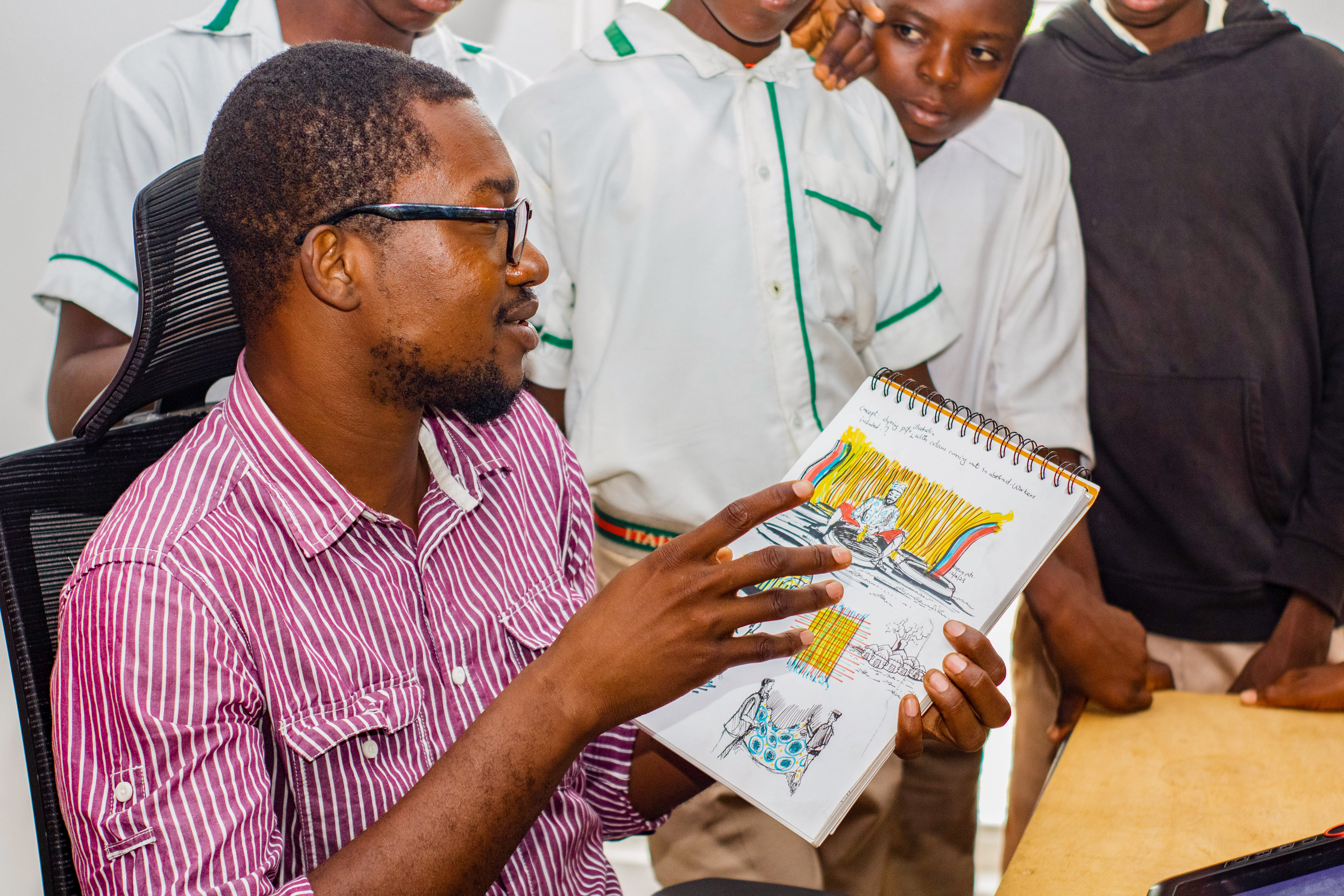
Muzeyi Yelyen is an illustrator, designer and writer currently based in Wa, Ghana. He has a love for storytelling, this saw him completing a BA in Publishing Studies from the Kwame Nkrumah University of Science and Technology with emphasis on Design and Illustration. He was awarded the best Design and Illustration student of his class. Since then, he has worked in the publishing industry and related creative industries lending his skills to create illustrations and designs to communicate stories and ideas.
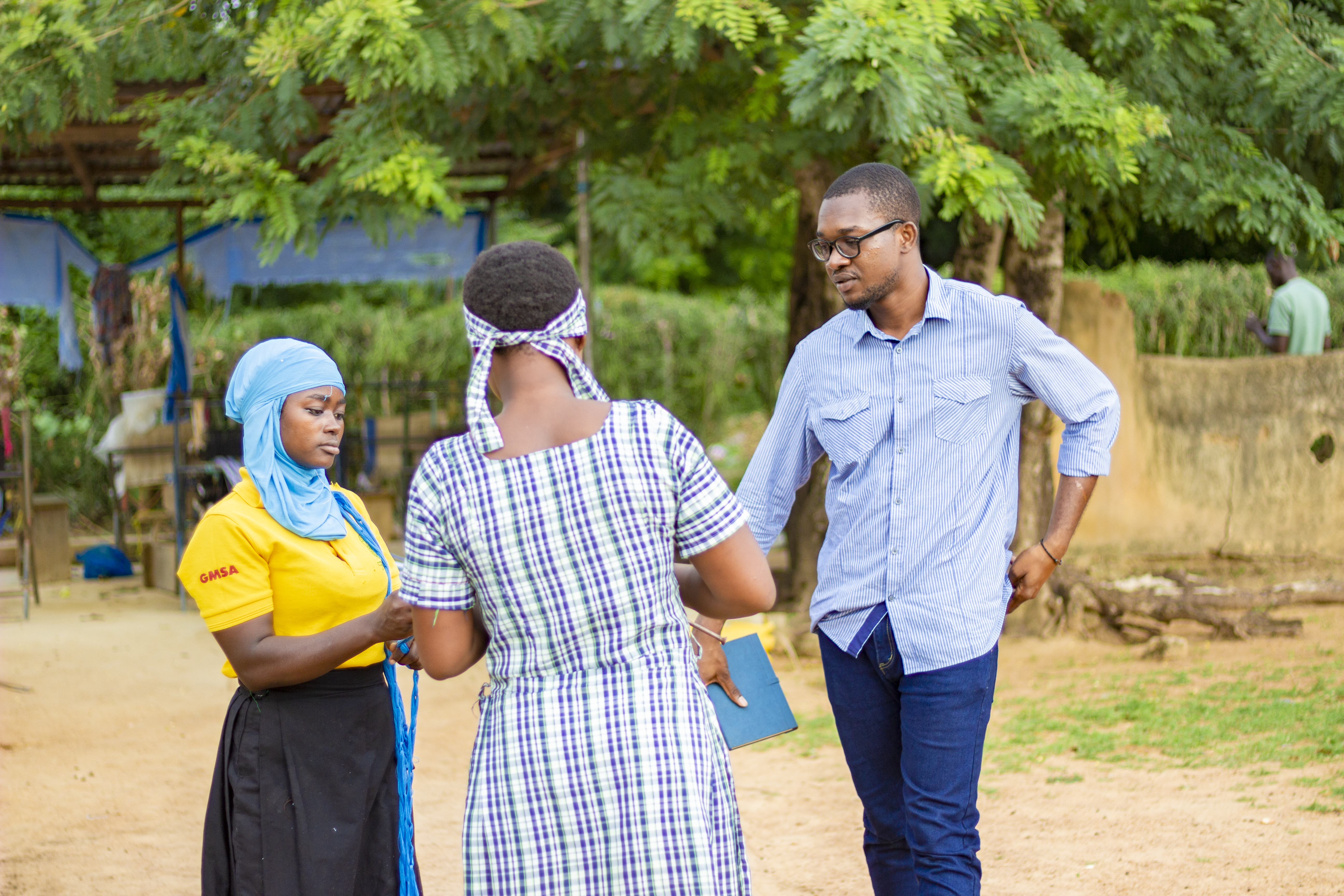


Katesi Kalange


Katesi Jacqueline Kalange is a process-based visual artist from Uganda whose work brings together sculpture, architecture, installation and performance art.

She holds a master’s degree in Art and Industrial Design from Kyambogo University in Uganda. Her practice draws deeply from African indigenous wisdom, particularly its historical role in shaping more harmonious ways of living between humans, nature, and other beings within shared ecosystems.

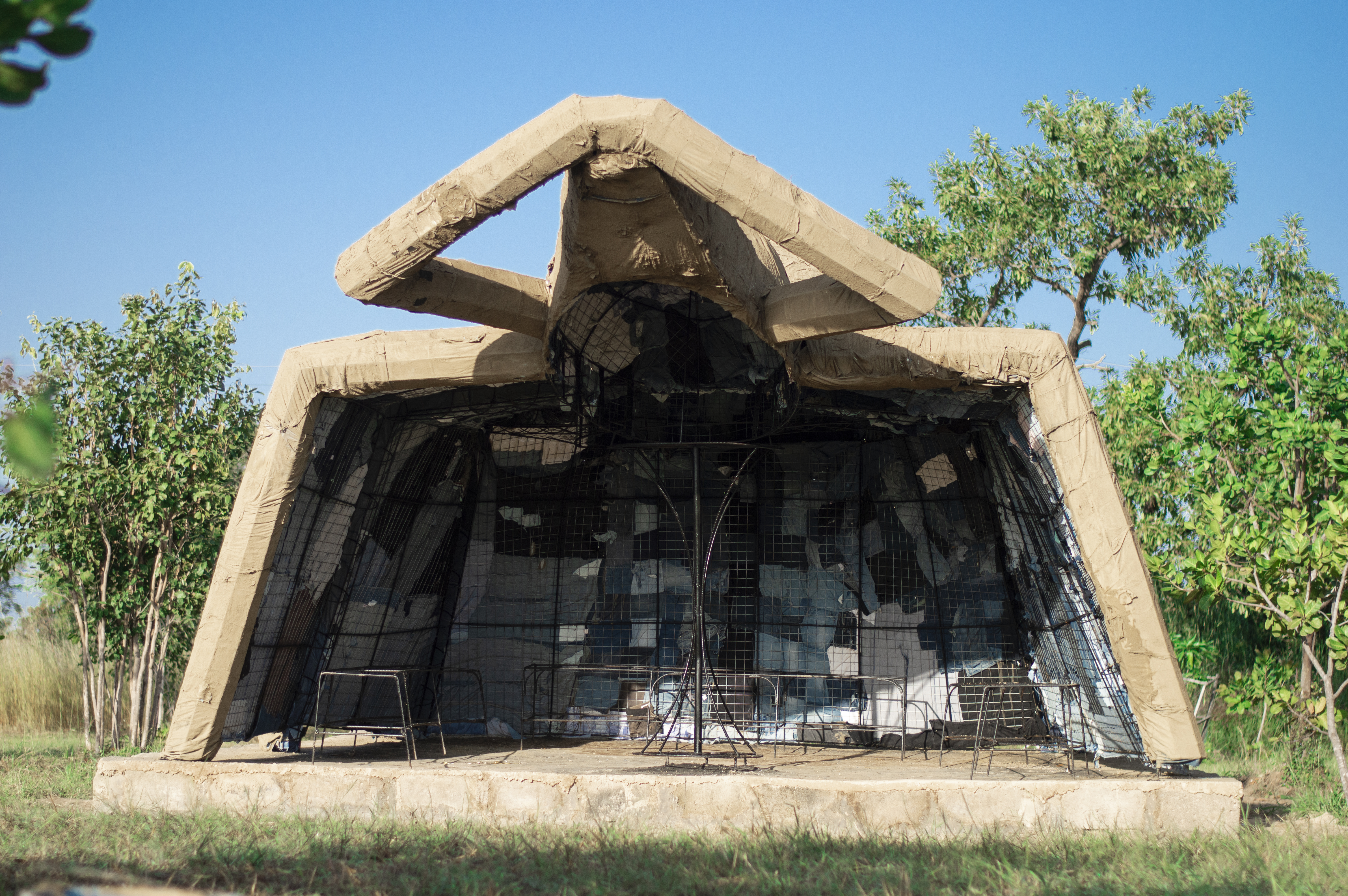
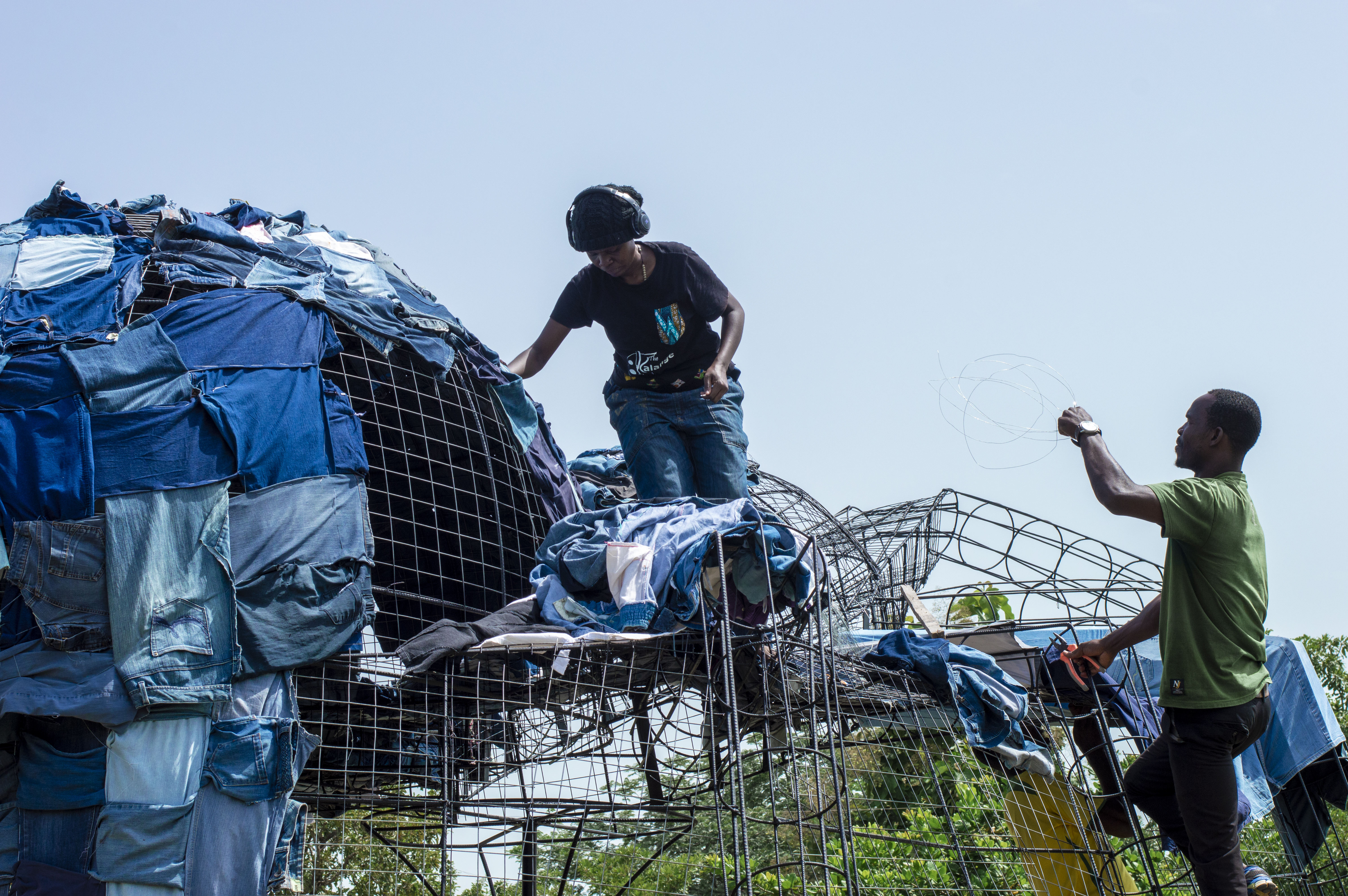
Working through community-driven collaborations, Katesi uses her art to spark public conversations about the relationship between people and the environment. In response to Uganda’s growing waste management challenges, especially the presence of non-biodegradable materials such as plastics and second-hand clothes, she explores recycling and upcycling through processes inspired by indigenous weaving techniques.

Her work often functions as an archive of ancestral knowledge, inviting audiences to reconsider the idea of nature as a resource to be exploited. Instead, she reimagines older systems of care, interdependence and respect for all life forms as tools for thinking about sustainability in contemporary society.

Through her ongoing series Nature Invasion, Katesi reflects on rapid urbanisation and the loss of green spaces in Uganda. Her installations imagine nature reclaiming the spaces it has lost, while drawing attention to its beauty, fragility and significance. Across her practice, she brings together indigenous knowledge, environmental advocacy, sensory experience and collective making to encourage more sustainable and connected ways of living.


Twitter ––– Instagram ––– Facebook ––– LinkedIn 
Nubuke Foundation, Wa 2024